How to Identify High-Quality Natural Stone
How to Identify High-Quality Natural Stone: A Complete Buyer’s Guide
Natural stone is one of the most luxurious and durable materials used in construction, flooring, and architectural décor. However, not all natural stone is created equal. Whether you are sourcing stone for residential interiors, commercial projects, or large-scale developments, identifying high-quality natural stone is essential for long-term performance and visual appeal.
Thank you for reading this post, don't forget to subscribe!Trusted natural stone manufacturers and suppliers in India follow strict quality parameters, and understanding these factors helps buyers make confident, informed decisions.
Density and Hardness: The Foundation of Quality
One of the first indicators of high-quality natural stone is its density and hardness, which directly impact durability and lifespan. Stones with higher density are stronger, less porous, and more resistant to daily wear.
Granite and quartzite rank high on the Mohs hardness scale, making them ideal for high-traffic areas such as flooring, countertops, and commercial spaces. Softer stones like marble and limestone, while visually elegant, require more care and proper sealing for long-term use.
Reputable natural stone suppliers in India carefully grade stone based on strength, ensuring suitability for different applications.
Color Consistency and Natural Veining
Natural variation is part of the beauty of stone, but high-quality stone displays balanced and harmonious color patterns. Excessive discoloration, patchy tones, or unnatural streaks may indicate poor quarrying or processing.
Premium natural stone features:
-
Even color distribution
-
Well-defined, aesthetically pleasing veining
-
No artificial dyeing or surface enhancement
Leading Indian natural stone manufacturers focus on precise block selection to maintain visual consistency across slabs and tiles.
Porosity and Water Absorption Test
Porosity is a key factor in determining stone performance, especially in moisture-prone areas. A simple water absorption test helps evaluate quality.
Dense stones like granite absorb minimal water, making them suitable for kitchens, bathrooms, and outdoor use. More porous stones such as sandstone and limestone may absorb more moisture and require professional sealing to prevent stains and damage.
High-quality natural stone supplied by reliable Indian suppliers undergoes porosity testing before dispatch.
Structural Integrity: Checking for Cracks and Weak Spots
Before selecting a stone slab, it’s important to examine its structural integrity. Visible cracks, chips, or weak lines can compromise durability over time.
Running your hand over the surface can reveal hidden imperfections. A premium slab should feel solid, balanced, and free from stress fractures. Properly processed stone will not show loose grains or surface instability.
Top natural stone manufacturers in India use advanced cutting and inspection techniques to eliminate defective slabs.
Surface Finish and Polishing Quality
The finish of natural stone reflects the quality of processing. A high-quality stone slab should have:
-
Uniform polish or honed finish
-
No dull patches or uneven gloss
-
Smooth edges and precise calibration
Poor finishing often indicates rushed processing or substandard machinery. Established Indian stone suppliers invest in modern polishing plants to ensure consistent finish quality.
Acid Resistance for Marble and Limestone
For calcium-based stones like marble and limestone, acid resistance is an important consideration. A simple test using lemon juice or vinegar can reveal how easily the stone etches.
High-quality marble may still etch slightly, but excessive surface damage indicates lower density or poor processing. Reliable natural stone suppliers guide buyers on proper usage, sealing, and maintenance to extend stone life.
Importance of Quarry Source and Supplier Credibility
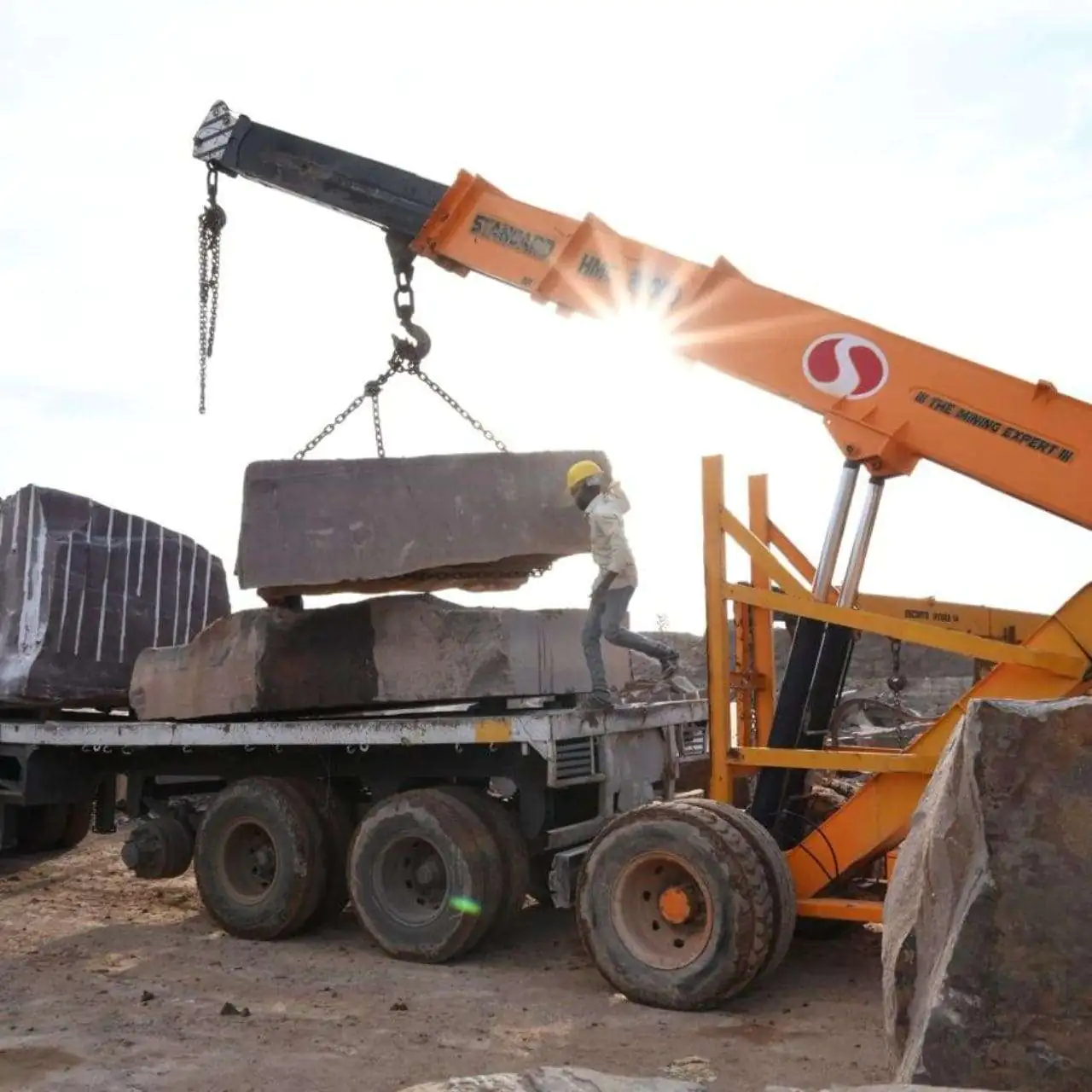
The source of the stone plays a crucial role in overall quality. Reputed quarries follow ethical extraction methods, proper block handling, and strict grading standards.
Always buy from trusted natural stone manufacturers and suppliers in India who can provide:
-
Quarry details
-
Samples or mockups
-
Quality certifications
-
Transparent pricing
While price matters, unusually low costs often signal compromised quality, inconsistent grading, or improper processing.
Conclusion: Choose Natural Stone That Lasts for Generations
Identifying high-quality natural stone requires attention to density, porosity, color consistency, structural strength, and finish. By sourcing from reliable natural stone suppliers in India, buyers can ensure their investment delivers both lasting durability and timeless beauty.
Whether for flooring, wall cladding, countertops, or architectural features, premium natural stone enhances spaces with elegance, strength, and long-term value.